
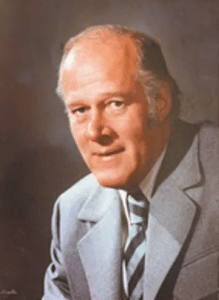
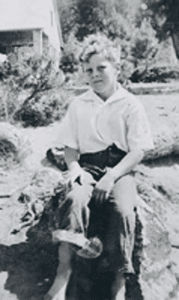
We at Bradley, Drendel & Jeanney are deeply saddened to announce the passing of our co-
founder, John Squire Drendel, who left us at the age of 100 on February 15, 2024. A pillar of the
Nevada legal community and a distinguished member of America’s Greatest Generation,
Squire’s life was a testament to hard work, integrity, and an unwavering commitment to justice.
Born into the humble beginnings of a ranching community in Minden, Nevada, Squire’s early
years were marked by the Great Depression’s challenges. Yet, it was in these formative
experiences—working the hay fields and learning the value of hard work—that Squire’s
character was forged. His passion for law was ignited at the age of 16 after watching “The
Letter,” a movie that would shape his future career path.
Squire’s journey to becoming a renowned trial lawyer was anything but easy. With the support
of Nevada’s community leaders and a scholarship facilitated by Governor Edward P. Carville, he
pursued higher education at the University of Notre Dame, overcoming personal and national
adversity along the way. His service during World War II, where he led landing craft transport
missions in the Pacific, exemplified his bravery and dedication to his country.
After the war, Squire harnessed the GI Bill to attend law school at the University of Colorado,
setting the stage for a legal career that would leave an indelible mark on Nevada and the nation.
In 1957, alongside William O. “Bud” Bradley, he founded what would become one of the most
respected law firms in the country. Their landmark $3.6 million jury verdict in 1969 not only set a
national record but also showcased the firm’s commitment to fighting for justice.
Squire’s accolades, including a Lifetime Achievement Award from the Nevada Trial Lawyers
Association and his recognition by Best Lawyers in America, barely scratch the surface of his
contributions. His advocacy for civil rights, commitment to legal ethics, and mentorship of young
lawyers have left a lasting legacy.
Beyond his legal achievements, Squire was a devoted family man, an avid outdoorsman, and a
fervent supporter of the arts. His love for poetry and the natural beauty of Nevada reflected the
depth of his character.
As we mourn his passing, we also celebrate the life of a man who was not only a legal giant but
a community leader and a mentor to many. Squire’s belief in giving back, especially to those
who could offer nothing in return, remains a guiding principle for all of us at Bradley, Drendel &
Jeanney.
John Squire Drendel’s legacy will continue to inspire us all. Our thoughts are with his family
during this time, and we pledge to honor his memory through our continued dedication to
justice, integrity, and the service of those in need.
~The Road Ahead Partners with Northern Nevada Center for Independent Living to Support those Seeking a Life of Independence after a Debilitating Injury~
(January 24, 2024 – Reno, Nev.) – Today, Bradley, Drendel & Jeanney (BDJ), Reno’s oldest personal injury law firm, proudly unveiled a groundbreaking initiative aimed at supporting individuals striving for independence following debilitating injuries. The Road Ahead (TRA) initiative is dedicated to contributing to the rehabilitation, well-being, and empowerment of those navigating the challenges of recovery. BDJ has selected the Northern Nevada Center for Independent Living (NNCIL) as its inaugural partner.
The strategic partnership highlights the community need due to limited resources for catastrophic injury. As generational Nevadans, BDJ has long supported local organizations. TRA reflects an enduring social responsibility to the community while focusing energy and resources on individuals facing life-altering circumstances on their path to reclaiming independence.
“We are thrilled to partner with NNCIL as we align to support independent living for those who have unexpectedly suffered disabling injuries that were no fault of their own,” said Joe Bradley, senior partner at Bradley Drendel and Jeanney. “We created The Road Ahead initiative to connect individuals and families with organizations and resources to overcome the incredible number of challenges they must face to get on the road to a new life after a tragedy.”
Top of Form
According to the Center for Disease Control, 27 percent of adults in the US live with a disability. Varying levels of access to health care, educational resources and home modifications often make it difficult for them to live independently.
NNCIL was founded more than 30 years ago as a 501(c)3 by a small group of people with disabilities to help others with disabilities hone the skills they needed to achieve independent living. NNCIL offers services and resources that empower people with disabilities to lead more independent lives.
“We’re excited that Bradley, Drendel & Jeanney chose us to partner with for this important undertaking,” said NNCIL executive director Lisa Bonie. “This partnership spotlights some very important people in our community while also letting them know about the resources and services we can provide to help them live as independently as they choose to.”
By providing assistance and resources to organizations advocating for independence, TRA aims to make the journey for the injured and their families smoother, regardless of the duration of that journey.
”Our goal is to be a resource for those seeking education, family support, disability infrastructure, technology, and health and wellness programs after an injury, as well as to sponsor and support organizations providing these needed lifelines in our community,” said Bradley.
If you have an organization serving those living with devastating injuries, we might be able to help. If you’d like to learn more about what we do and how you can help the organizations we serve, we’d like to hear from you. Please contact us at support@theroadaheadnv.org.
Reno, Nevada — January 1, 2024 We are thrilled to introduce you to the newest member of our Bradley, Drendel & Jeanney family, Regina Bradley. As the third generation Bradley to join our firm, Regina carries forward a legacy of legal excellence and unwavering commitment to justice. Her addition to our team marks a significant milestone in our firm’s history.
Regina Bradley: A Legacy Continues
Regina Bradley officially became a part of our team in January 2024, solidifying her position as the third generation of Bradleys to contribute to our firm’s rich history. Following in the footsteps of her grandfather and father, she brings a wealth of experience and passion for the law.
Experience and Expertise
Regina specializes in personal injury matters and criminal defense, showcasing her versatility in the legal field. Prior to joining our firm, she served the community as an advocate for indigent clients facing misdemeanor and felony charges at the Washoe County Public Defender’s Office. During her four-year tenure, she played a pivotal role in a statewide committee that drafted and published the Nevada Criminal Pattern Jury Instructions in 2023.
Her dedication and skills were further honed at the National Criminal Defense College in 2022, where she attended an intensive two-week criminal defense trial academy in Rhode Island. Her passion for the courtroom blossomed during her time at Gonzaga University School of Law in Spokane, Wash. As the captain of her school’s trial team, she clinched the Best Oralist Award for the Linden Cup, Gonzaga’s annual appellate advocacy competition. Her outstanding performance earned her the CALI Excellence for the Future Award, recognizing her as the highest-scoring student in her Trial Advocacy class. Regina graduated cum laude in 2018, marking the beginning of her impactful legal career.
Family and Dedication to Justice
Regina met her husband, Phillip Dorin, also an associate attorney at Bradley, Drendel & Jeanney, during law school. Their shared commitment to justice and legal excellence makes them a dynamic duo within the firm. Before private practice, Regina gained valuable experience as a law clerk for the Honorable Judge Scott N. Freeman at the Second Judicial District Court in Washoe County.
A true northern Nevadan by birth, Regina earned her Bachelor of Art in journalism from the University of Nevada, Reno. During her undergraduate years, she contributed to the Reno Gazette-Journal as a sports reporter, showcasing her multifaceted skills.
Life Beyond the Courtroom
Beyond her legal pursuits, Regina is a devoted supporter of Nevada athletics, particularly Nevada Basketball. When not in the courtroom or cheering for the Wolf Pack, she enjoys running, reading, and spending quality time with her husband, son, and two dogs.
We are excited to have Regina Bradley as part of our team, and we look forward to the continued success and contributions she will bring to Bradley, Drendel & Jeanney. Her background and experience perfectly align with our commitment to our clients’ best interests.
As November rolls in and the holiday season approaches, many of us are looking forward to spending quality time with loved ones. For those of us in Northern Nevada, this often means hitting the road to visit friends and family. However, winter weather can make holiday travel a bit more challenging. That’s where Bradley, Drendel & Jeanney, Northern Nevada’s Original Personal Injury Firm, comes in as “The One Clear Choice” for keeping your journeys safe and smooth. In this blog, we’ll share some essential tips for navigating winter roads during the holiday season.
Prepare Your Vehicle:
Before embarking on a winter road trip, it’s crucial to ensure that your vehicle is in tip-top shape. Here are some steps you should take
Plan Your Route:
Carefully plan your travel route, taking into account weather forecasts, road conditions, and potential closures. Opt for well-maintained highways and main roads whenever possible, as they are more likely to be plowed and treated during winter storms.
Drive Cautiously:
Once you’re on the road, make safety your top priority. Drive at a safe and manageable speed, leaving plenty of distance between your vehicle and the one in front of you. Avoid sudden movements, and use gentle, smooth inputs when steering, accelerating, and braking.
Keep an Eye on the Weather:
Stay informed about weather conditions along your route by checking weather apps or listening to local radio broadcasts. If conditions deteriorate, don’t hesitate to adjust your travel plans or pull over in a safe location until the weather improves.
Stay Alert and Rested:
Fatigue can be a significant factor in winter accidents. Get plenty of rest before your trip and take breaks to stay alert. If you’re feeling tired, it’s better to stop and rest than to push on.
Carry Chains or Traction Devices:
In some cases, you may be required to use chains or traction devices on your tires when traveling through snowy or icy areas. Make sure you have them on hand and know how to install them if needed.
Bradley, Drendel & Jeanney: Your One Clear Choice for Legal Support:
While we hope that you have a safe and uneventful journey during the holidays, accidents can happen even when you take all necessary precautions. If you find yourself in need of legal support due to a winter road incident, Bradley, Drendel & Jeanney is here to help. With a long-standing reputation for excellence and expertise in personal injury cases, they are Northern Nevada’s Original Personal Injury Firm, and they will be your one clear choice for legal assistance.
As you prepare for holiday travel this November, remember that safety should always come first. By following these tips for navigating winter roads and keeping Bradley, Drendel & Jeanney in mind as your legal support, you can enjoy the holiday season with peace of mind, knowing that you’re taking the necessary steps to protect yourself and your loved ones during your winter journeys. Safe travels!
As the season shifts and winter draws near, it becomes imperative to prepare your car for the impending winters to secure your and other’s safety on the road. Frigid weather conditions, such as snow and ice, can be detrimental to your car, making driving challenging and increasing the odds of an accident. Thus, in this article, we’ve enlisted a few suggestions for prepping your car for winter, accentuating safety and accident avoidance. Additionally, we’ll explore how a personal injury lawyer in Reno might assist you if you get involved in a tragic collision during the winter. Without further ado, let’s commence.
Tips for Preparing Your Vehicle for the Imminent Cold Weather
-
Check Your Tires
Your car’s tires are the first line of defense protecting you from slippery winter roads. Thus, ensure your tires have sufficient tread depth and are properly inflated. Consider purchasing winter or all-season tires for enhanced grip in snow and ice. Well-kept tires can considerably lower the danger of an accident on slippery or wet roads.
-
Test Your Battery
Frigid conditions may endanger your vehicle’s battery. Therefore, before hitting the road during winter, test your battery to verify it’s in excellent working order and has adequate power to start your car. Replace your battery if it’s obsolete or weak to prevent being trapped on a cold winter day.
-
Change Your Oil
Consider using the correct oil for cold conditions! The recommended oil viscosity for winter is enlisted in your vehicle’s owner’s handbook. In low temperatures, thicker oil might strain the engine, while tinner oil may not offer adequate lubrication. Thus, changing your oil following the manufacturer’s guidelines can help avert engine issues and accidents.
-
Inspect Your Brakes
Your brakes are paramount to your safety, notably in icy winter conditions. Hence, always examine your braking system to verify that your brake pads and rotors are in top-notch working conditions. Properly maintained brakes can help you stop safely and ultimately prevent accidents.
-
Examine Lights and Wipers
Reduced vision under cold circumstances might pose a severe safety risk. Check that all your lights, including headlights, taillights, and turn signals, are operational. Replace any burned-out bulbs as soon as possible. Additionally, inspect your windshield wipers and replace them if damaged or cracked. Clear visibility is critical for avoiding accidents in treacherous conditions.
-
Keep an Emergency Kit
Ensure to have an emergency kit in your car with items like blankets, a flashlight, jumper cables, a first-aid kit, non-perishable foods, and a snow shovel. Unfortunately, if you get locked in your car during a winter storm or an accident, having these goods at your disposal can help you handle the situation effectively.
-
Seeking Assistance from a Personal Injury Lawyer
Accidents may take place despite your best attempts to avoid them. However, if you get injured in an accident during winter, it’s best to seek legal counsel from an experienced accident lawyer in Reno. They will guide you appropriately and assist you in navigating the legal issues of your case. Whether it’s a vehicle accident caused by slick roads or any other personal injury, they will safeguard your legal rights and help you obtain the compensation you’re entitled to.
Conclusion
Accident prevention during cold weather begins with adequate vehicle maintenance and prepping for unforeseen adverse weather conditions. You can keep yourself and others safe on the road and ensure incident-free winter driving by following the preceding suggestions for maintaining your car’s fine working condition. However, if you get injured in an accident, you must seek a personal injury lawyer to defend your rights and obtain the indemnification you deserve.
Dear Friends and Supporters,
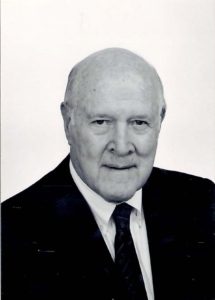
Today, we come together with immense joy and profound gratitude to celebrate a momentous milestone in the history of Bradley Drendel and Jeanney. It is with great honor that we wish a very Happy 100th Birthday to our esteemed co-founder, Mr. Drendel!
A Century of Excellence and Inspiration
Over the past century, Bradley Drendel and Jeanney has evolved from its humble beginnings to become a symbol of legal excellence, integrity, and unwavering dedication to justice. At the heart of this journey stands Mr. Drendel, a visionary legal mind whose passion for the law and commitment to serving the community have left an indelible mark on all of us.
A Legacy of Dedication and Compassion
Mr. Drendel’s legacy is not just about his legal acumen, but about the countless lives he has touched through his exceptional work. His dedication to every case, his compassion for each client, and his unyielding pursuit of justice have set the standard for our firm and continue to inspire us daily.
Guided by Values, Shaped by Wisdom
As we reflect on Mr. Drendel’s remarkable journey, we recognize the values that have shaped Bradley Drendel and Jeanney into what it is today. From his founding principles of integrity and honesty to his commitment to always putting the client’s needs first, Mr. Drendel’s wisdom has guided us through challenges and triumphs alike.
A Living Inspiration
Mr. Drendel is more than just a legal luminary – he is a living inspiration. His resilience, his thirst for knowledge, and his kindness have touched the lives of those within our firm and well beyond. He has not only mentored generations of lawyers but has also left an indelible impact on the legal landscape as a whole.
Raising a Toast to Mr. Drendel
On this special day, we raise our glasses to toast a remarkable man who has dedicated his life to the pursuit of justice, the upholding of truth, and the empowerment of those in need. Mr. Drendel, your journey has been filled with challenges and triumphs, and you have faced them all with grace and determination.
Join us in Celebrating
As we celebrate Mr. Drendel’s 100th birthday, we invite all of you to join us in honoring his legacy. Your support, your kind words, and your shared admiration are the best gifts we can offer to a man who has given so much to our firm, our community, and the world of law.
Thank you, Mr. Drendel, for inspiring us to be better, to do better, and to serve with unwavering dedication. We are immensely proud to carry forward the torch that you lit a century ago.
With deepest respect and heartfelt gratitude,
The Team at Bradley Drendel and Jeanney
Summer is finally here, and it’s time for families to embark on exciting adventures and make lasting memories. The Reno Lake Tahoe region offers stunning landscapes and a plethora of recreational activities, making it a popular destination for family vacations. As you plan your getaway, it’s essential to prioritize safety on the road to ensure a smooth and enjoyable trip. In this blog post, we’ll discuss some crucial tips to help you and your loved ones drive safe this summer, partnering with the experienced personal injury law firm, Bradley Drendel and Jeanney, to emphasize the importance of protecting your family during your Reno Lake Tahoe adventures.
Prepare Your Vehicle:
Before hitting the road, it’s crucial to ensure that your vehicle is in optimal condition. Regular maintenance, such as checking tire pressure, oil changes, and brake inspections, can help prevent unexpected breakdowns. Don’t forget to verify that all lights and signals are working correctly. Properly functioning vehicle systems are vital to your safety and that of your family.
Buckle Up for Safety:
The simplest and most effective safety measure you can take is ensuring that everyone in your vehicle wears their seatbelts. Make it a rule that no one starts the engine until all seatbelts are fastened. Seatbelts significantly reduce the risk of severe injury or fatality in the event of a collision, so insist on their use at all times.
Observe Speed Limits:
When traveling to Reno Lake Tahoe, you’ll encounter various roadways, each with its own posted speed limits. It’s important to respect and adhere to these limits to ensure the safety of your family and other motorists. Speeding reduces your reaction time and increases the severity of accidents, so be sure to drive within the legal limits and adjust your speed based on road conditions.
Minimize Distractions:
Distractions while driving can be catastrophic, particularly when your family is in the car. Keep your attention on the road by refraining from using your phone or engaging in other distracting activities while driving. If necessary, designate a passenger as the “navigator” to handle directions and address any potential distractions, allowing you to focus solely on the road ahead.
Plan for Rest Stops:
Long drives can be tiring, especially with children in the car. Plan your journey with frequent rest stops to prevent driver fatigue. Take advantage of the stunning vistas around Reno Lake Tahoe by incorporating scenic spots into your itinerary. Stretching your legs, hydrating, and getting some fresh air will help keep you alert and ready to continue your journey safely.
Share the Road:
The summer months attract numerous tourists and recreational enthusiasts to Reno Lake Tahoe, leading to increased traffic. Be mindful of cyclists, pedestrians, and motorcyclists sharing the road with you. Always yield to them and provide sufficient space to ensure everyone’s safety. Practicing patience and respect for others on the road is essential for a smooth and incident-free vacation.
Conclusion:
As you embark on your family vacation to Reno Lake Tahoe, prioritize safety to make your journey a memorable and enjoyable one. By following these tips, you’ll significantly reduce the risk of accidents and ensure the well-being of your loved ones. Remember, accidents can still happen, even when precautions are taken. In the event of an unfortunate incident, the experienced personal injury attorneys at Bradley Drendel and Jeanney are here to support you and help protect your family’s rights. Drive safe, enjoy your vacation, and create beautiful memories that will last a lifetime.
(Note: This blog post is for informational purposes only and should not be considered legal advice. Consult with a qualified attorney for personalized legal guidance.)
What is Premises Liability Law?
House or business owners are liable to maintain the safety of their property to prevent visitors from suffering injuries. Safeguarding security is known as premises liability law. Premises liability law protects the right of people suffering from an injury on someone else’s property. If you or your loved one is a victim of such damage, consulting with a qualified, experienced personal injury lawyer in Sparks can help. However, property owners are not responsible for every injury happening on their property.
Who is Eligible for Compensation?
1. Invitees:
Invitees are people who visit your property to discuss business or purchase a product or service. These people are entitled to maximum compensation, especially from commercial owners.
2. Licensee:
Licensees are the guests who visit your property for no business purpose. If they suffer injury due to the owner’s negligence, claiming compensation is necessary.
3. Trespassers:
Trespassers were not eligible for coverage under premises liability law. However, a change in the law in 1968 led to a different outcome. Some trespassers can claim compensation. Consulting with a personal injury attorney in Reno can help.
Elements to Prove to Build a Case:
- The property owner was responsible because he/she owns the property.
- The property owner was negligent in maintaining safety.
- Lack of negligence caused harm and damages.
Hazardous Conditions That Fall Under Premises Liability Are as Follows:
- Dog bites or animal attacks
- Swimming pool accidents
- Dangerous property
- Inadequate security measures
- Defective conditions
- Snow or ice accidents
- Elevator or escalator accidents
These Situations Can Arise From the Following:
- Open excavations
- Standing water
- Crumbling curbs
- Insufficient lighting
- Icy walks
- Wet floors
- Uncleared snow
- Falling objects
- Inadequate security
- Concealed holes
- Uneven pavement
- Improperly secured mats
- Defective chairs or benches
You May Receive the Following Compensation Under Premises Liability Law:
- Medical bills
- Lost wages because you cannot work
- Pain and suffering damages
- Emotional distress resulting from the accident
Since premises law varies from state to state, seeking professional help goes a long way. An expert personal injury lawyer knows the ins and outs of a law, suggesting you the best solution. Experts will have you act quickly before the deadline and create a solid case for a compensation claim.
Conclusion
Premises injury law covers a person on your property. Sometimes it can be confusing to claim compensation for the injuries suffered on a person’s property. Consulting with an expert in premises law can help. Your attorney will build a case to prove your injury, winning the compensation you deserve. If you or your loved one suffers from an injury on someone’s premises, consulting with a qualified attorney is the best way to handle the situation.
What to Do After a Hit-and-Run Accident?
Car accidents can be devastating, but when the other driver flees the scene, it can be even more traumatic. A hit-and-run accident is a crime and can leave you feeling helpless, angry, and uncertain about what to do next. This blog outlines the steps you should take after a hit-and-run accident to protect your rights and seek compensation for your damages. We’ll also discuss how an accident lawyer in Sparks can assist you during this challenging time. Let’s drill deeper!
To-Do Guide After the Hit-and-Run Accident
-
Stay Calm and Call for Help
The first thing you should do after a hit-and-run accident is to remain calm and call for help. If you or anyone else is injured, call 911 immediately. Even if there are no injuries, you should still call the police to report the accident. The police can document the scene and help you file an accident report, which will be essential in pursuing legal action later on.
-
Gather Information and Document the Scene
While waiting for the police to arrive, try to gather as much information as possible about the accident. Write down the make, model, and license plate number of the other vehicle if you were able to see it. If there were any witnesses to the accident, ask for their contact information, as their testimony may be valuable in proving liability later on. Take photos of the scene, including any damage to your vehicle and the surrounding area.
-
Seek Medical Attention
Even if you don’t feel injured, seeking medical attention after a hit-and-run accident is crucial. Some injuries, such as whiplash or internal bleeding, may not manifest immediately. A medical professional can assess your condition and document any injuries, which will be important in proving damages later on.
-
Consult an Accident Lawyer
After a hit-and-run accident, it’s essential to seek legal representation. An experienced personal injury lawyer in Carson City can guide you through the legal process and help you pursue compensation for your damages. They can also handle negotiations with insurance companies on your behalf, so you don’t have to deal with the stress of the claims process alone.
-
Notify your Insurance Company
Even if the other driver fled the scene, you should still notify your insurance company of the accident. Your insurance policy may cover hit-and-run accidents, and they can help you file a claim and get your vehicle repaired. However, it’s worth noting that insurance companies are notorious for offering a low settlement that doesn’t fully compensate you for your damages. Therefore, having an accident attorney in Reno by your side is imperative.
-
Document Your Damages
To pursue compensation for your damages, you’ll need to document them thoroughly. Keep track of all your medical bills, including hospital stays, doctor visits, and medications. If you had to miss work because of your injuries, document your lost wages. Additionally, keep track of any other expenses related to the accident, such as vehicle repairs or rental car fees.
Conclusion
A hit-and-run accident can be a traumatic experience, but you don’t have to go through it alone. Following the aforementioned steps can protect your rights and pursue compensation for your damages. Remember to stay calm, gather information, seek medical attention, contact an accident lawyer, notify your insurance company, and document your damages thoroughly. If you have the correct legal representation, you may recuperate from your injuries and move on from this trying experience.
Riding a motorcycle is very popular in Nevada thanks to the warm climate and abundance of scenic roadways. But it’s no secret that many people consider motorcycles to be dangerous. Also, those who ride motorcycles are often unfairly assumed to be risk-takers. However, it’s not the motorcycles themselves that are so dangerous. Here are some of the most common causes of motorcycle accidents today.
Vehicles turning left
Cars turning left into the path of motorcycles can be deadly situations for motorcyclists. The small profile of most motorcycles make them harder for other drivers to spot. According to the National Highway Traffic Safety Administration, vehicles turning left accounted for nearly half of all fatal car and motorcycle accidents.
Road hazards
Drivers of passenger vehicles may not even notice things like gravel or uneven road surfaces. However, these things can be very hazardous for motorcyclists. Motorcycles only have two wheels, so they’re less stable. Unexpected objects and road irregularities can cause motorcycle crashes.
Head-on collisions
Head-on collisions are some of the deadliest types of motorcycle accidents. Cars can weigh about four times as much as motorcycles. In a head-on crash, the mismatched amount of force combined with the lack of protection for riders can have fatal consequences.
Motorcycles are very common on roadways throughout Nevada. Drivers need to stay attentive and always on the lookout for motorcycles. Those in Nevada who suffer physical injuries or the loss of an immediate family member in motorcycle accidents caused by negligence could benefit by speaking with a legal representative. A successful lawsuit could supply victims and families with much-needed and deserved compensation.
Connect with us


- August 2026
- July 2026
- June 2026
- May 2026
- April 2026
- March 2026
- February 2026
- December 2025
- July 2025
- May 2025
- January 2025
- December 2024
- November 2024
- October 2024
- September 2024
- August 2024
- June 2024
- May 2024
- April 2024
- March 2024
- January 2024
- November 2023
- September 2023
- August 2023
- July 2023
- May 2023
- April 2023
- March 2023
- February 2023
- November 2022
- October 2022
- September 2022
- August 2022
- July 2022
- June 2022
- May 2022
- March 2022
- February 2022
- January 2022
- November 2021
- October 2021
- September 2021
- August 2021
- July 2021
- April 2021
- March 2021
- February 2021
- January 2021
- December 2020
- November 2020
- October 2020
- September 2020
- August 2020
- July 2020
- June 2020
- May 2020
- April 2020
- March 2020
- February 2020
- January 2020
- December 2019
- November 2019
- October 2019
- September 2019
- August 2019
- July 2019
- June 2019
- May 2019
- April 2019
- March 2019
- February 2019
- January 2019
- December 2018
- November 2018
- October 2018
- September 2018
- August 2018
- July 2018
- June 2018
- May 2018
- April 2018
- March 2018
- February 2018
- January 2018
- December 2017
- November 2017
- October 2017
- September 2017
- August 2017
- July 2017
- June 2017
- May 2017
- April 2017
- March 2017
- February 2017
- January 2017
- December 2016
- November 2016
- October 2016
- September 2016
- August 2016
- July 2016
- June 2016
- May 2016
- April 2016
- March 2016
- February 2016
- January 2016
- December 2015
- November 2015
- October 2015
- September 2015
- August 2015
- July 2015
- June 2015
- May 2015
- April 2015
- March 2015
- February 2015
- January 2015
- December 2014
- November 2014
- October 2014
- September 2014
- August 2014
- July 2014
- June 2014
- May 2014
- April 2014
- March 2014
- February 2014
- January 2014
- December 2013
- November 2013
Archives
Categories


Bradley Drendel & Jeanney
6900 South McCarran Boulevard., Suite 2000Reno, NV 89509
Call Us: 775-335-9999
